Cherokee County Superior Court is the main trial court of general jurisdiction in Cherokee County, Georgia. It hears felony criminal prosecutions, major civil lawsuits, divorce actions, custody disputes, and selected appeals from lower courts. The court handles cases that often involve jury trials, substantial financial claims, and serious legal questions. Residents use superior court case information to check filings, hearing dates, and docket entries through the county’s online search system. This court plays a central role in family law cases, civil litigation court matters, and felony criminal court proceedings throughout the county each year for attorneys.
The Cherokee County Clerk of Superior Court maintains official records and manages filings, certified copies, and electronic submissions. Superior Court judges preside over motions, trials, settlements, and final orders in both criminal and civil matters. Parties can review case numbers, pleadings, and scheduled hearings by using the official court website and clerk resources. Filing services include deeds, liens, protective orders, and domestic relations documents. The court supports public record searches and courtroom administration, giving attorneys, litigants, and researchers a reliable source for Cherokee County Georgia Superior Court case information and judicial records for public use.
Cherokee County Superior Court Case Search
Cherokee County Superior Court case search starts from the official cherokee county court System page. Users can move from the Superior Court section to the Find a Case page and then open the public docket system to search civil and felony records by case number or party name. Search results typically display case titles, filing dates, assigned judges, and current case status, helping users track litigation progress and court activity. Once a case is located, users may review docket entries and request certified copies of pleadings, judgments, and other official court documents through the Clerk of Superior Court.
Official Website: https://cherokeecountyga.gov/_focus/court-system.php
Open the Cherokee County Court System Website
- Visit the Cherokee County Court System Official Website: https://cherokeecountyga.gov/_focus/court-system.php
- This page lists all county courts and provides links to Superior Court, State Court, Magistrate Court, and related clerk services.
- It is the main starting point for court records and case lookup tools.
- What to Do on This Page:
- Open the website.
- Scroll through the list of courts.
- Click Superior Court.
- Open the Superior Court information page.
Open the Online Case Search Portal
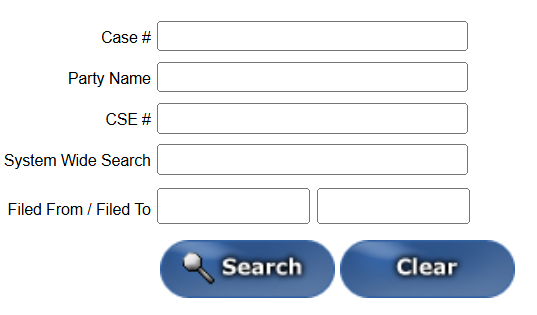
After entering the Superior Court page, click Find a Case. This takes users to the Cherokee County Clerk of Courts docket feature. On the next page, users see an instruction screen with a banner image and a blue link. Click the image or the provided link to continue to the live search form. The search form includes fields for Case Number, Party Name, CSE Number, and filing date filters.
What Happens Next:
- Click Find a Case.
- Wait for the Clerk of Courts docket page to open.
- Click the banner image shown on the page.
- The searchable case lookup form appears.
Search Civil and Superior Court Records
Once the search form opens, select Civil Search if prompted. Enter a case number or party name, then click Search to view matching cases. Open the desired result to review the superior court docket and complete case information. Certified copies can be requested from the Cherokee County Clerk of Superior Court.
Information Available in Search Results:
- Case number
- Filing date
- Case type
- Assigned judge
- Hearing dates
- Case status
- Docket entries
- Final orders
What Is Cherokee County Superior Court?
Cherokee County Superior Court is a constitutional trial court in Cherokee County with broad authority over serious legal disputes. It handles felony criminal cases, large civil lawsuits, family law matters, and selected appeals, making it the county’s highest trial court for many important cases. Cherokee County Superior Court is part of the Georgia Superior Courts, a statewide court system created by the Georgia Constitution. As a constitutional court, it has permanent authority to hear cases that involve significant rights, property interests, and criminal charges. The court serves as a trial court where judges rule on legal issues and juries decide facts during formal jury proceedings.
Superior Court Jurisdiction in Georgia
The Superior Court has general jurisdiction, which means it can hear a wide range of civil and criminal matters. This broad power sets it apart from lower courts that handle limited case types. This authority makes the court the primary forum for many of the county’s most serious legal disputes.
Areas of superior court jurisdiction include:
- Felony criminal prosecutions
- Major civil and business lawsuits
- Divorce and child custody cases
- Adoptions and name changes
- Real estate title disputes
- Protective orders
- Appeals from Probate, Magistrate, and Juvenile Courts
Role in Georgia’s Judicial System
Within Georgia’s judicial structure, the Superior Court acts as the principal court for cases involving substantial legal and factual questions. It applies state statutes, constitutional principles, and prior appellate decisions. Many rulings issued here can shape how future cases are argued and decided. Superior Court judges preside over motions, evidentiary hearings, bench trials, and jury trials. Their decisions may later be reviewed by the Georgia Court of Appeals or the Supreme Court of Georgia.
Relationship With the Clerk of Superior Court
The Cherokee County Clerk of Superior Court manages the court’s records and daily administration. The clerk accepts filings, maintains dockets, issues certified copies, and preserves official documents such as deeds, liens, and judgments. This partnership between judges and court administration allows attorneys, litigants, and the public to search case information and monitor court activity efficiently. The clerk also oversees electronic filing systems, collects court-related fees, and ensures that all records are indexed and stored according to Georgia law. In addition, the office provides public access to non-confidential records and assists individuals seeking certified court documents for legal, financial, and personal purposes.
Types of Cases Heard in Cherokee County Superior Court
Cherokee County Superior Court cases include the county’s most serious criminal and civil matters. The court hears felony cases, civil litigation, divorce proceedings, property disputes, injunctions, and appeals from lower courts, with every filing and hearing listed on the superior court docket. Cherokee County Superior Court is part of the Georgia Superior Courts. Its judges resolve legal disputes involving significant rights, large financial claims, and complex questions of state law. Attorneys and self-represented parties use the superior court docket to review motions, trial dates, and final judgments. The court’s broad authority allows it to hear matters that many lower courts cannot decide. This makes the Superior Court a central forum for both civil and felony court proceedings in Cherokee County.
Felony Criminal Cases
One of the court’s primary duties is hearing felony cases, which involve serious offenses that may result in lengthy prison sentences. These matters often include multiple hearings before trial, along with plea negotiations and sentencing proceedings. Judges rule on evidence issues and protect the rights of both defendants and victims. Many felony cases are decided through jury trials, where citizens review testimony and return verdicts under Georgia law.
Felony criminal cases include:
- Murder and manslaughter
- Armed robbery
- Aggravated assault
- Drug trafficking
- Burglary
- Financial fraud
- Sexual offenses
Divorce and Family Law Cases
Cherokee County Superior Court has exclusive authority over many domestic relations matters. These divorce proceedings often include custody disputes, support issues, and requests for alimony. Judges review parenting plans and make decisions based on the best interests of the child. Some family law cases settle quickly, while others require contested hearings and trials. Final orders can shape parental rights and financial responsibilities for many years.
Civil Lawsuits and Monetary Claims
The court hears substantial civil litigation involving businesses and private parties. These lawsuits often seek compensation for damages or ask the court to enforce legal rights. Many cases involve detailed document review, depositions, and settlement discussions before trial. Judges decide legal motions, and juries may determine fault and award damages. Civil judgments can involve significant monetary claims and long-term legal consequences.
Typical civil lawsuits include:
- Contract lawsuits
- Business disputes
- Personal injury claims
- Wrongful death actions
- Insurance disputes
- Employment claims
Real Estate and Property Disputes
Property-related matters are a major part of Cherokee County Superior Court cases. These disputes often require judges to interpret deeds, surveys, and ownership records. Real estate litigation can involve land boundaries, title defects, and ownership rights. Some cases affect residential property, while others involve commercial developments and investment properties. Court decisions help establish clear legal ownership and protect property interests.
Equity Cases and Injunctions
Superior Courts in Georgia have broad equitable powers. Judges can issue injunctions when financial damages alone cannot resolve the problem. These orders may stop harmful conduct or require a party to take a specific action. Temporary and permanent relief is available depending on the facts of the case. Equity rulings are often used in business, property, and family disputes.
Examples of equitable relief include:
- Temporary restraining orders
- Permanent injunctions
- Specific performance
- Protective orders
Appeals from State and Probate Courts
The Superior Court can hear certain appeals from lower courts, including cherokee county state court and cherokee county probate court judges review the existing legal record to determine whether the lower court applied the law correctly. These appeals may involve probate rulings, guardianship matters, and misdemeanor decisions. In some cases, the Superior Court may conduct a new hearing or trial. This appellate role adds another important layer to the court’s jurisdiction.
Filing a Case in Cherokee County Superior Court
Filing a case in Superior Court starts with submitting legal documents to the Cherokee County Clerk of Superior Court. The court requires proper forms, filing fees, and accurate party information before a civil action can move forward. A person or business begins a civil lawsuit by preparing a complaint filing that explains the legal claims and requested relief. The complaint must identify the parties involved, describe the dispute, and state why the court has jurisdiction over the matter. After filing, the clerk assigns a case number and places the action on the superior court docket. Many civil cases involve contract disputes, property litigation, injury claims, or family law matters. Incorrect or incomplete paperwork can delay processing and hearing schedules.
Basic Filing Requirements
Most superior court filing procedures require several important documents and payments before the case becomes active. The clerk reviews submissions for compliance with court rules and filing standards. Parties filing lawsuits must provide complete and accurate information for all records. After acceptance, the clerk prepares the summons issuance documents that notify the opposing party about the lawsuit. Proper service of process is required before the court can proceed with many civil matters.
Filing requirements include:
- Civil complaint or petition
- Filing fees
- Names and addresses of all parties
- Supporting documents or exhibits
- Proposed summons forms
- Attorney information, if represented
Typical Filing Fees
Filing fees in Cherokee County Superior Court vary by case type and by the services requested. Civil complaints, divorce actions, and appeals often carry different costs. Extra charges may apply for certified copies, sheriff service, and document recording. The amounts below are examples only, and the clerk’s office publishes the most current fee schedule. Parties who cannot afford court costs may apply for a fee waiver by submitting a sworn financial statement for judicial review.
| Filing Service | Typical Fee Range |
|---|---|
| Civil complaint filing | $200–$220 |
| Divorce or domestic relations filing | $210–$230 |
| Appeal filing | $200+ |
| Summons issuance | Usually included |
| Certified copy | $2–$5 plus per-page charges |
| Record search | Varies by request |
eFile Georgia System
Many attorneys and self-represented litigants use the statewide eFile Georgia platform for electronic filing. The system allows users to upload pleadings, pay filing fees online, and receive electronic confirmation notices. E-filing improves document tracking and reduces paper processing inside the courthouse. Users create an account, select Cherokee County Superior Court, and submit documents in approved PDF format. Court staff review each submission before accepting it into the official court record.
Jury Trials in Cherokee County Superior Court
Jury trials in Superior Court are used when parties want a group of citizens to decide the facts of a case. In Cherokee County, jury trials take place in both criminal and civil matters after pretrial hearings and motions are completed. Cherokee County Superior Court uses juries in serious cases where evidence must be reviewed in a formal setting. These trials follow structured trial proceedings, where a judge oversees the law while jurors decide what actually happened. Jury trials play a major role in protecting fairness in both criminal and civil disputes.
When Jury Trials Are Used
Jury trials are generally requested in cases involving disputed facts. Many felony criminal cases and high-value civil disputes qualify for jury review. Parties may waive a jury in some situations, allowing a judge to decide the outcome instead. These cases require careful review of testimony, evidence, and witness credibility.
Situations for jury trials include:
- Felony criminal charges
- Personal injury lawsuits
- Contract disputes with major financial claims
- Property and real estate conflicts
- Serious fraud or theft cases
Criminal Jury Trials
In criminal trials, the prosecution must prove guilt beyond a reasonable doubt. The defendant is entitled to a fair process under Georgia law. Jury selection begins with voir dire, where attorneys and the judge question potential jurors. Once selected, jurors hear opening statements, witness testimony, and closing arguments. They then review evidence and deliberate privately. The verdict must be unanimous in most felony cases. If the jury finds guilt, the judge later decides sentencing within legal limits.
Civil Jury Trials
In civil jury cases, disputes often involve money damages or legal responsibility. Plaintiffs must prove their claims by a preponderance of the evidence, which is a lower standard than criminal cases. After deliberation, jurors return a verdict that determines responsibility and potential compensation. The judge then enters a final judgment based on that decision. Jury service in Cherokee County supports fairness by involving local citizens in major legal decisions.
Civil juries may decide:
- Liability in personal injury claims
- Compensation in contract disputes
- Fault in business disagreements
- Damages in property-related cases
Cherokee County Superior Court vs State Court
Cherokee County Superior Court vs State Court is a common comparison for people trying to understand how cases move through Cherokee County courts. Both courts handle civil and criminal matters, but their authority, case limits, and responsibilities differ in important ways. Georgia trial court system includes both Superior and State Courts, yet each serves a separate role in the local justice structure. The Superior Court handles the most serious cases, while State Court focuses on less severe offenses and limited civil disputes. This difference in jurisdiction comparison helps determine where a case will be filed and heard.
Criminal Jurisdiction: Felony vs Misdemeanor
The most important difference involves criminal authority. Superior Court handles felony cases, which include serious crimes with long-term imprisonment risks. These cases involve jury trials, extensive evidence review, and formal sentencing procedures. State Court generally handles misdemeanor cases, which involve lower-level offenses. Superior Court focuses on felony-level crimes such as armed robbery, aggravated assault, and serious drug offenses. This separation ensures proper case handling based on severity.
Typical State Court criminal matters include:
- Traffic violations
- DUI charges
- Shoplifting (misdemeanor level)
- Simple assault
- Local ordinance violations
Civil Case Scope and Limits
Civil jurisdiction also differs between the two courts. Superior Court has unlimited civil authority, which means it can hear high-value and complex disputes. State Court handles civil cases with limited monetary claims, often set by Georgia law or local rules. These may include disputes involving smaller financial amounts or simplified procedures. Because of broader authority, Superior Court handles the most complex civil litigation in the county.
Civil differences include:
- Superior Court: major lawsuits, contract disputes, property litigation
- State Court: smaller claims, limited civil actions
- Superior Court: real estate and title disputes
- State Court: minor civil disputes and collections
Jury Trials and Court Procedure
Both courts allow jury trials, but usage differs. Superior Court frequently uses juries in felony and major civil cases. State Court also uses juries, but often in misdemeanor criminal trials and limited civil disputes. Superior Court jury trials involve longer proceedings, more evidence, and formal trial stages. State Court jury trials are typically shorter and less complex. In both courts, jurors participate in trial proceedings and evaluate evidence presented by attorneys.
Appeals and Higher Review
Superior Court can hear appeals from State Court decisions in many situations. This creates a direct review path within the county court system. State Court rulings may be challenged and re-evaluated under legal standards in Superior Court. Further appeals from Superior Court decisions move to higher courts such as the Georgia Court of Appeals or the Supreme Court of Georgia. This appellate structure ensures consistency in legal interpretation and protects due process rights for all parties involved. It also helps maintain uniform application of state law across different counties and judicial circuits.
Family Law Authority
Another key difference involves family law authority. Superior Court has exclusive jurisdiction over divorce, custody, and domestic relations matters. State Court does not handle divorce or custody cases. This distinction makes Superior Court the primary court for family-related legal matters in Cherokee County courts.
Family law matters in Superior Court include:
- Divorce proceedings
- Child custody disputes
- Child support orders
- Adoption cases
- Legitimation actions
Court Location and Contact Information
Cherokee County Superior Court address is located at the Frank C. Mills III Justice Center in Canton. The same building houses the Cherokee County Clerk of Superior Court, which manages court records, filings, and certified copies. Cherokee County Superior Court handles felony criminal cases, civil litigation, family law matters, and appeals. Visitors can reach the courthouse through the official county court website, Cherokee County Superior Court, or the clerk’s website, Cherokee County Clerk of Courts. These resources provide court calendars, filing information, online case search tools, and contact details for court administration.
Courthouse Address
The Cherokee County Superior Court is located at the Cherokee County Justice Center in Canton, which serves as the central courthouse for Superior Court proceedings and related judicial services. The courthouse houses courtrooms, the Clerk of Superior Court, and offices that manage filings, records, and certified document requests. Visitors can access the building for civil, criminal, family law, and appellate matters, with public parking and accessibility accommodations available on-site.
- Frank C. Mills III Justice Center: 90 North Street Canton, GA 30114
- Main Clerk Phone: (678) 493-6511
- Superior Court Civil: (678) 493-6501
- Jury Department: (678) 493-6565
- Business Hours
- Monday through Friday
- 8:00 AM to 5:00 PM
Frequently Asked Questions
Cherokee County Superior Court handles many of the county’s most significant legal matters, and users often have questions about case searches, felony records, judges, and certified copies. The answers below address the most common Cherokee County Superior Court FAQs and explain how to use the official court and clerk resources. These frequently asked questions also provide practical guidance for accessing court dockets, understanding jurisdiction, and obtaining official documents from the Clerk of Superior Court.
How do I search Cherokee County Superior Court cases online?
Cherokee County Superior Court cases can be searched through the official Cherokee County Court System and Clerk of Courts websites. Start at https://cherokeecountyga.gov/_focus/court-system.php and click Superior Court, then select Find a Case. On the next page, click the image or link to open the docket search form. Enter a case number or party name and click Search. Results display docket entries, filing dates, hearing schedules, and case status. This process supports civil litigation, divorce proceedings, and many felony case searches. Using the exact case number usually returns the most accurate result and reduces duplicate matches in the superior court docket.
What types of cases are heard in Superior Court?
Cherokee County Superior Court is a general jurisdiction trial court that hears serious criminal and civil matters. The court handles felony prosecutions, major civil litigation, divorce proceedings, child custody disputes, adoption cases, real estate conflicts, injunctions, and appeals from certain lower courts. It serves as the county’s primary jury trial court for complex legal disputes. Superior Court judges can issue final orders affecting property rights, family relationships, and criminal sentencing. Many cases involve extensive motion practice, hearings, and trials. This broad authority makes Superior Court one of the most important courts in Cherokee County and throughout the Georgia judicial system.
Can I view felony case information online?
Yes, many felony case records can be viewed online through the Cherokee County Clerk of Courts case search system. Users may search by case number or party name and review public docket entries, hearing dates, assigned judges, and case status. Some filings, such as indictments, motions, and sentencing orders, may appear in the docket. Certain confidential documents are restricted and will not be displayed online. Sealed records, juvenile matters, and protected information remain unavailable to the public. The online portal is useful for checking criminal trial progress and court schedules without visiting the courthouse in person.
How do I find the assigned judge for my case?
The assigned judge is usually listed within the online docket record after a case search is completed. Open the case details and review the summary section, where the judge’s name often appears near the case number, filing date, and case type. Hearing notices and court orders may repeat this information. If the judge is not shown online, contact the Cherokee County Clerk of Superior Court for assistance. Clerk staff can confirm courtroom assignments and direct users to the proper division. Knowing the assigned judge helps parties monitor hearings, review standing orders, and prepare for upcoming court dates.
How do I get certified copies of court records?
Certified copies are available from the Cherokee County Clerk of Superior Court at the Frank C. Mills III Justice Center, 90 North Street, Canton, Georgia 30114. Requests may be submitted in person and, in some cases, by mail or online depending on the document type. Common certified records include divorce decrees, final judgments, criminal dispositions, and court orders. Fees apply for certification and per-page copying. Processing times vary with the age and size of the record request. Certified copies carry the clerk’s official seal and are commonly used for appeals, government filings, and other legal purposes.