Cherokee County Magistrate Court serves as the county magistrate for small civil disputes, landlord-tenant cases, warrant applications and preliminary hearings in criminal matters. Often called The People’s Court it gives residents a practical place to settle minor civil matters without formal procedures used in higher courts. Many parties file claims without attorneys which makes the court a trusted source for public court services. Judicial officers review evidence issue summons and schedule hearings through efficient court administration. This part of the local court system helps Cherokee County residents resolve money claims property damage disputes and eviction.
Within county-level legal services Cherokee County Magistrate Court handles cases that affect daily life. The court hears small claims involving unpaid debts contract disagreements and repair costs up to Georgia’s monetary limit. It processes dispossessory actions for landlords seeking possession of rental property after missed payments or lease violations. Citizens may file warrant applications when they ask a judge to review alleged criminal conduct. During felony prosecutions the court conducts preliminary hearings to decide whether probable cause exists. By offering fast and low-cost public court services the court remains one of the most approachable courts
Cherokee County Magistrate Court Case Search
Cherokee County Magistrate Court search helps users find cherokee county court magistrate cases, review case status, and check docket information through online court records. The court’s public records access system allows searches for small claims, eviction cases, garnishments, warrant applications, and hearing schedules. Residents can search by party name or case number to view filing dates, judgments, and upcoming hearings. This Cherokee County Magistrate Court case lookup tool is the fastest way to confirm whether a case has been filed and what actions have taken place.
Official site: https://www.cherokeecountyga.gov/magistrate-court
Steps to Search
- First, open the official site: https://www.cherokeecountyga.gov/magistrate-court/
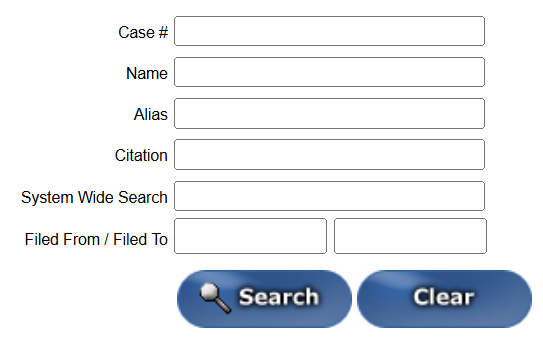
- Then go to the main Magistrate Court page and click on Case Docket Search.
- On the next page, select “Magistrate Court” from the court type options.
- After that, choose the search method such as “Party Name” or “Case Number”.
- Enter the required details like full name, business name, or case number.
- Click on “Search” to view available Cherokee County Magistrate Court Cases.|
- Open the case result to see docket information, case status, and hearing schedule.
Review Case Results
The search tool may display:
- Case number
- Party names
- Filing date
- Current case status
- Docket information
- Hearing schedule
- Assigned judge
- Judgment details
Open the Docket
Select the case to view a timeline of judicial proceedings. Common entries include:
- Complaint Filed
- Service Perfected
- Answer Filed
- Hearing Scheduled
- Judgment Entered
- Appeal Filed
Check Hearing Dates and Judgments
- Look for scheduled court dates, courtroom assignments, and final rulings.
- Eviction cases may show writ of possession entries, and small claims cases may list money judgments.
Print or Save Information
- Most online court records can be printed or saved for personal reference.
- These copies are useful for tracking deadlines and preparing for hearings.
Request Certified Copies
- If an official sealed record is needed, contact the clerk’s office at 678-493-6431 or visit the filing office in Canton.
- Certified copies are commonly requested for appeals, garnishments, and judgment enforcement.
What Is Cherokee County Magistrate Court and What Does It Handle?
Cherokee County Magistrate Court is a small claims court that handles civil disputes, dispossessory actions, warrant applications, and several early criminal proceedings. Often known as The People’s Court, it gives residents a straightforward place to resolve money claims, landlord tenant disputes, and other legal matters without the formal procedures used in higher courts. The court is part of the Cherokee County judicial system and serves people who need practical county-level legal services. Many cases are filed by self-represented parties, which makes the court especially useful for everyday disputes. Judicial officers review documents, hold hearings, and issue legally binding orders. The court also manages bad check cases, garnishments, and criminal first appearances.
Small Claims Cases Under Georgia Law
Cherokee County Magistrate Court functions as Georgia’s primary small claims court for minor civil disputes. These cases usually involve money claims for unpaid loans, contract disagreements, property damage, and unreturned security deposits. Small claims procedures are simpler than those used in Superior Court. Parties often present receipts, photographs, invoices, and written agreements as evidence. After reviewing the facts, the judge may award damages or dismiss the claim.
Small claims matters include:
- Unpaid personal loans
- Vehicle repair disputes
- Contractor disagreements
- Security deposit claims
- Property damage reimbursement
Dispossessory and Eviction Proceedings
The Magistrate Court hears dispossessory actions, which are Georgia’s legal eviction proceedings. Landlords file these cases when tenants fail to pay rent or violate lease terms. The court issues a summons and gives the tenant an opportunity to respond. If the landlord proves the case, the judge may grant possession of the property and enter a judgment for unpaid rent or other charges.|
Typical landlord tenant disputes include:
- Nonpayment of rent
- Lease violations
- Holdover tenants
- Damage to rental property
Warrant Applications and Hearings
Cherokee County Magistrate Court accepts warrant applications from private citizens who believe a criminal offense has occurred. The applicant submits sworn facts, and a judicial officer reviews the information. If probable cause is not immediately clear, the court may schedule a hearing where both sides can present testimony. The judge then decides whether an arrest warrant should be issued. This process is commonly used in disputes involving theft, threats, trespassing, and bad check cases.
Preliminary Hearings in Criminal issues
In felony cases, the court conducts preliminary hearings to decide whether enough evidence exists to continue prosecution. Prosecutors present witnesses and documents, and the defense may question those witnesses. If the judge finds probable cause, the case moves forward to Superior Court. If probable cause is lacking, the charges may be dismissed at this stage. These hearings are an important part of criminal first appearances and early judicial proceedings.
Garnishments and Post-Judgment Collections
After a party wins a civil case, Cherokee County Magistrate Court may assist with garnishments and post-judgment collections. These procedures help creditors collect unpaid judgments from wages or bank accounts, subject to Georgia law. The court processes the required paperwork and schedules any necessary hearings. This service allows successful plaintiffs to enforce court judgments and recover money awarded in earlier civil disputes.
Cherokee County Dispossessory Actions and Eviction Cases
Dispossessory actions are the legal process used in Georgia to remove a tenant from rental property. In Cherokee County Magistrate Court, often referred to by users searching for cherokee county district court records, these eviction cases help landlords recover possession, collect unpaid rent, and obtain a court eviction order when lease terms are violated. Landlord tenant disputes are among the most common cases filed in Magistrate Court. The process follows specific deadlines for the notice to vacate, tenant response, court hearings, and sheriff enforcement procedures. Both landlords and tenants should understand each stage before taking action.
What Is a Dispossessory Action?
A dispossessory action is Georgia’s formal eviction lawsuit. A landlord files the case after giving the tenant a demand for possession, often called a notice to vacate. This step starts the legal process before any court hearing takes place. It gives the tenant a final chance to leave or resolve unpaid rent. The filing asks the court to return possession of the property and, in many cases, award past-due rent, late fees, and court costs. It also creates an official record of the landlord tenant dispute within the court system.
- Unpaid rent
- Lease violations
- Property damage
- Remaining after the lease ends
Filing an Eviction Case
The landlord begins the case in Cherokee County Magistrate Court by submitting a sworn affidavit. The filing states why the tenant should be removed and lists any money owed. Court staff issue a summons, and the Cherokee County Sheriff’s Office serves the papers on the tenant. Service gives the tenant official notice that an eviction case has been filed and starts the response period. Proper filing helps avoid delays and keeps the eviction case valid under court rules.
Tenant Answer Deadlines
After service, the tenant has a limited time under Georgia law to file an answer with the court. The response may dispute unpaid rent, raise repair concerns, or explain why the eviction should not proceed. Missing the deadline can result in a default judgment without a hearing. This often leads to faster possession orders for the landlord. If no answer is filed by the deadline, the landlord may request a default judgment. That judgment can lead directly to a writ of possession and a money award. Tenants who respond on time can request a hearing before any final decision is made.
Court Hearings and Judgments
When the tenant files an answer, the court schedules a hearing. Both sides present leases, payment records, photographs, and witness testimony. The judge reviews facts from both parties and applies Georgia landlord tenant law to the case. The judge decides whether the landlord is entitled to possession and whether rent or damages are owed. If the landlord prevails, the court issues a judgment and may authorize a writ of possession, which permits the tenant’s removal. Court orders are legally binding and must be followed by both parties.
Sheriff Enforcement Procedures
A writ of possession does not result in immediate removal. Georgia law provides a short waiting period before enforcement. This delay allows tenants a final opportunity to leave voluntarily before deputies arrive. After that period, the Cherokee County Sheriff’s Office schedules the eviction. Deputies supervise the removal and return possession of the property to the landlord under the court eviction order. Personal belongings may be handled according to sheriff policy and Georgia law during enforcement.
Filing Fees and Court Costs
Cherokee County Magistrate Court filing fees apply when starting civil disputes, eviction matters, and other county-level legal cases. These court costs include civil filing charges, service fees for delivering legal papers, and certified copy fees for official records. Payment is usually accepted through common payment methods such as card, cash, or money order depending on clerk policy. Fees differ based on case type, number of defendants, and service requirements. Below is a simple breakdown of typical charges used in magistrate-level filings in Georgia courts, including Cherokee County practices.
Small Claims Filing Fees
Small claims cases in Cherokee County Magistrate Court involve money claims such as unpaid debts, property damage, or contract disputes. The filing fee is paid when the case is submitted, and service fees may apply when the sheriff delivers summons to the other party. These civil filing charges may be added to the final judgment if the filing party wins the case. Court costs often become part of the amount recovered from the defendant.
| Fee Type | Typical Amount (USD) |
|---|---|
| Small Claims Filing Fee | $30 – $60 |
| Service of Process Fee | $50 – $75 per defendant |
| Certified Copy Fee | $2 – $5 per page |
Eviction Filing Fees
Eviction cases, also called dispossessory actions, involve separate magistrate court filing fees due to additional service requirements. These cases often include unpaid rent, lease violations, and landlord tenant disputes. In some cases, landlords may also request certified records for enforcement or appeal purposes. These certified copy fees are charged separately per document. Fee waiver options may be available for qualifying applicants who demonstrate financial hardship. If approved, the court may reduce or remove certain court costs, including filing or service charges, based on eligibility review.
| Fee Type | Typical Amount (USD) |
|---|---|
| Eviction Filing Fee | $60 – $80 |
| Service Fee | $50 – $75 per tenant |
| Writ of Possession Fee | $25 – $35 |
Court Procedures and Hearing Preparation
Cherokee County Magistrate Court court procedures follow a structured process that helps both parties present civil disputes, eviction matters, and other county-level cases fairly. Proper hearing preparation plays a major role in how smoothly a case moves through the system and how clearly the judge understands each side’s position. Most hearings involve simple presentation of facts, documentary evidence, and brief witness testimony. Parties often represent themselves, so preparation focuses on clarity, organization, and respectful courtroom behavior.
Organizing Your Evidence
Strong preparation starts with well-organized documents. Each party should gather records that support their claims or defense before the hearing date. Labeling documents in order helps the judge follow the case. Organized evidence also reduces confusion during questioning and improves courtroom presentation. Proper sorting also supports faster review during court procedures.
- Written agreements or leases
- Receipts and payment records
- Photos or videos related to the dispute
- Emails, messages, or notices between parties
- Financial statements for money claims
Presenting Your Case
During the hearing, each side explains their position to the judicial officer. Clear and direct statements work best, especially in civil disputes and eviction matters. Parties should speak one at a time and avoid interruptions. Judges may ask questions to clarify facts or review evidence. In some cases, brief settlement discussions may occur before a final ruling. Respectful communication and structured presentation often influence how the case is evaluated. Speaking calmly and sticking to relevant facts helps maintain focus during the hearing.
What to Expect in Court
Cherokee County Magistrate Court hearings are usually short and focused. The judge listens to both sides, reviews evidence, and applies Georgia law to the facts presented. Courtroom etiquette is important. Parties should arrive early, dress appropriately, and address the judge politely. Phones should remain silent, and only relevant discussion should take place inside the courtroom. After reviewing the case, the judge may issue a decision immediately or take the matter under advisement for a written order.
| Hearing Type | Purpose | Typical Outcome |
|---|---|---|
| Small Claims Hearing | Money disputes and civil claims | Judgment for plaintiff or defendant |
| Dispossessory Hearing | Eviction cases and unpaid rent | Possession order or dismissal |
| Warrant Hearing | Review of criminal complaints | Approval or denial of warrant |
| Preliminary Hearing | Probable cause review | Case moved to higher court |
Warrant Applications in Cherokee County Magistrate Court
Cherokee County Magistrate Court warrant applications involve a formal process where a person requests a judge to issue an arrest warrant based on alleged criminal activity. These matters usually begin with criminal complaints, followed by a review before a magistrate judge hearing to determine if legal standards are met. The process relies heavily on probable cause, meaning the court must see a reasonable factual basis before taking action against the accused person. The magistrate judge reviews sworn statements, evidence, and supporting details before making a judicial determination on whether a warrant should be issued.
Who Can Request a Warrant Application and What Evidence Is Needed
In Cherokee County, warrant applications are most often filed by private citizens, victims, or businesses that believe a crime has occurred. In some situations, law enforcement may also initiate the process depending on the case type. The applicant must provide applicant testimony under oath. This testimony explains what happened and identifies the accused person clearly. The court treats this statement as the starting point of the review process.
Typical applicants include:
- Victims of theft, threats, or harassment
- Individuals involved in property damage disputes
- Businesses reporting fraud or bad check incidents
- Parties involved in serious civil conflicts with criminal elements
Strong applications also require supporting documentation. Without sufficient proof, the court may reject the request. The focus remains on facts that support the arrest warrant process, not personal opinions or assumptions.
- Written witness statements
- Text messages, emails, or call records
- Photos or video evidence
- Financial documents in fraud or bad check cases
- Any prior reports linked to the incident
Private Magistrate Hearings and Judge’s Decision
Cherokee County Magistrate Court often holds private warrant hearings, where the magistrate judge reviews the complaint in a controlled setting. In many cases, only the applicant presents testimony unless the judge requests additional input. During the hearing, the judge asks questions to clarify details and evaluate credibility. The goal is to determine whether probable cause exists based on the facts presented. The process stays centered on factual review rather than argument. Clear, consistent testimony and organized evidence carry significant weight in the court’s review. After evaluating all material, the judge issues a final judicial determination. If approved, the case moves forward into the criminal justice system, where the accused person may face further hearings and legal proceedings.
Possible outcomes include:
- Warrant Approved: Law enforcement may arrest the accused person
- Warrant Denied: Insufficient evidence prevents further action
- Further Review Required: Additional information must be submitted
Location and Contact Information
Cherokee County Magistrate Court address and contact details help residents connect with the filing office, clerk support, and public assistance services. The courthouse handles civil disputes, dispossessory actions, and warrant applications during regular business hours. The court provides in-person help at the clerk’s office for filing documents, case updates, and certified records. Most services follow standard courthouse schedules, and staff assist with basic procedural questions.
Courthouse Address and Contact Details
The Cherokee County courthouse serves as the main center for handling civil, criminal, family, probate, and traffic-related legal matters within the county. It houses several courts and administrative offices where residents can file cases, obtain public records, pay fees, and receive assistance with court procedures. Court staff are available during standard business hours to help visitors with filings, record searches, and general questions about ongoing cases and judicial services.
- Address: Cherokee County Magistrate Court, 90 North Street, Canton, GA 30114
- Court Phone Number: (678) 493-6431
- Clerk’s Office: Available at the same courthouse location
- Official Website: https://www.cherokeega.com/Magistrate-Court
Frequently Asked Questions
This section answers the most common questions about Cherokee County court records, case searches, filing procedures, and public access to legal documents. Users often want to know how to search court cases online, request certified copies, find arrest and probate records, and understand which court handles specific matters. The FAQs below provide clear, practical guidance to help residents, attorneys, and researchers navigate Cherokee County’s court system and access official information quickly and efficiently through the appropriate county offices and online resources.
How do I search Cherokee County Magistrate Court cases?
To search Cherokee County Magistrate Court cases, users can visit the county’s online case lookup or contact the clerk’s office directly. Searches usually work by party name case number or filing date. Results may show hearing dates case status and filed documents. Civil disputes dispossessory actions and garnishments are commonly listed. If records are restricted or unavailable online the filing office can provide public assistance and certified copies for a fee. Accurate spellings and complete case numbers improve court record access and help users locate files faster and avoid delays.
What types of cases are heard in Magistrate Court?
Cherokee County Magistrate Court hears small claims civil disputes dispossessory actions garnishments bad check cases warrant applications and preliminary hearings in felony matters. The court is often called small claims court yet its work extends beyond money claims. Landlords use it for eviction questions creditors pursue post-judgment collections and private citizens file criminal complaints. Judges and other judicial officers review evidence conduct hearings and issue enforceable orders. These varied responsibilities make the court one of the most practical and widely used parts of the Cherokee County judicial system for everyday.
What is the small claims limit in Georgia?
Georgia law allows Magistrate Courts to hear small claims seeking up to fifteen thousand dollars excluding court costs interest and attorney fees when permitted. This limit covers many money claims involving unpaid loans security deposits contract breaches and property damage. Plaintiffs file a statement of claim and present documentary evidence and witness testimony at the hearing. Defendants may file answers and counterclaims. If the amount sought exceeds the jurisdictional limit the dispute usually belongs in a higher trial court with broader authority to award damages and provide additional legal remedies.
How do I file an eviction case?
To file an eviction case a landlord submits a dispossessory affidavit to Cherokee County Magistrate Court stating the basis for removing the tenant and any unpaid rent. After filing the sheriff serves the summons and complaint. The tenant must file a written answer within the legal deadline to contest the allegations. If an answer is filed the court schedules a hearing. If no answer is filed the landlord may request default judgment a writ of possession and an award for rent late charges and court costs allowed by law thereafter.
Can I apply for a warrant as a private citizen?
Yes a private citizen may file a warrant application when facts suggest that another person committed a criminal offense. The applicant appears before a magistrate judge and gives sworn testimony describing the incident. Supporting documents such as messages photographs receipts or witness statements can strengthen the complaint. The judge evaluates credibility and determines whether probable cause exists. If the legal standard is satisfied the court may issue an arrest warrant. If proof is insufficient the application may be denied or continued until more evidence is presented to the court formally.