Cherokee County District Court case search refers to the process used to find legal case details recorded within the county district-level judicial system. Cherokee County court records contain structured information about civil disputes, criminal charges, traffic matters, and administrative hearings handled by the district court. A district court docket shows scheduled hearings, filings, and case progress in a time-based format. This system works as a public judicial records system that organizes case tracking database entries, court filing records, and legal case information access for public reference and transparency across the county legal framework.
The Cherokee County District Court plays a key role in handling lower-level legal matters and maintaining official records for each case filed. Users search Cherokee County court records for case updates, hearing dates, and legal status checks. Attorneys, researchers, and residents often rely on district court docket details to follow case movement. Each record is structured within a case tracking database that includes filing dates, parties involved, and court actions. This organized system supports court filing records management and helps present clear legal case information access for public review.
How to Search Cherokee County District Court Records Online
Cherokee County District Court case search allows users to find civil, criminal, and traffic records through the official Clerk of Courts system. The cherokee county court records search tool is structured to help users locate case details using simple navigation steps. The district court docket lookup system organizes records by case type, name, and case number. Each step below explains exactly how to move through the system from start to finish.
Official website: https://www.cherokeecourtclerk.com
Open the Official Website
- First, open the Cherokee County Clerk of Courts Official website: https://www.cherokeecourtclerk.com
- This is the main public record database for all district court cases, including civil proceedings, criminal records, and traffic matters.
Click on “Case Search”
- On the homepage, locate and click the “Case Search” or “Court Records Search” option.
- Then click on the “Image” which is shown on the page
- This button takes users into the district court docket lookup system where all searchable cases are stored.
Select Case Type
After entering the search page, the system asks for case type selection. Choosing the correct type helps filter results correctly in Cherokee County court records.
- Civil Case: Select this when searching disputes between individuals or businesses, such as property issues, contracts, or money claims.
- Criminal Case: Select this when looking for misdemeanor charges, arrests, or prosecution-related records.
- Magistrate Case: Select this for small claims, warrants, eviction filings, or preliminary hearings handled at magistrate level.
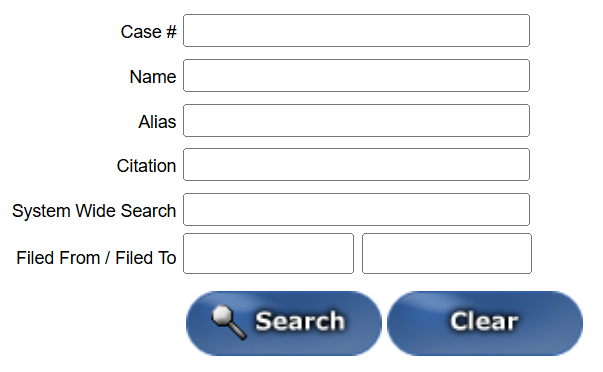
Enter Search Details
After selecting case type, enter search information in the system. If case number is unknown, name-based search can still be used, but it may show multiple results.
- Case number (most accurate method)
- Party name (plaintiff or defendant)
- Date range filter
Click “Search” Button
- Click the search button to run the query.
- The system will scan the public record database and display matching district court docket entries.
Review Search Results List
A list of matching cases will appear. Users can scroll through results to find the correct record. Each result shows basic case details such as:
- Case number
- Party names
- Filing date
- Case status
Open the Case Detail Page
Click on the selected case to open full details. This page shows complete Cherokee County court records for that case.
Information includes:
- Hearing dates and schedule
- Judge rulings and updates
- Filed documents and motions
- Final case status (active, closed, or disposed)
What is the Cherokee County District Court Framework
Cherokee County District Court works as a primary trial court within the local judicial structure. It handles a wide range of legal matters that fall under county-level authority. This court processes criminal charges, civil disputes, and procedural hearings that form the early stages of many cases. The system operates within a structured judicial authority structure that connects local courts with state-level and federal courts. It supports consistent case handling through formal records, scheduled hearings, and legal rulings that shape the progress of each matter.
Cherokee County District Court Jurisdiction and Case Types
The district court jurisdiction Cherokee County covers misdemeanor offenses, traffic violations, preliminary felony hearings, and civil disputes involving limited claims. It functions as a trial court system where evidence is reviewed and legal arguments are presented before a decision is made. Misdemeanor and civil authority remain within set legal boundaries, which define what the court can decide. Cases outside these limits move to higher courts for further review. This separation supports balanced local court operations and keeps case handling organized across different legal levels.
Role in Local and Higher Court System
Cherokee County District Court operates as part of a wider judicial network that includes state and federal courts. Local courts manage initial filings, hearings, and early rulings, while higher courts handle appeals and complex legal matters. This structure ensures each case follows a clear legal path based on severity and jurisdiction. Cases typically enter the system through law enforcement reports, attorney filings, or public complaints. After filing, each case receives a docket entry and case number for tracking within the system.
Role in Local and Higher Court System
Cherokee County District Court operates as part of a wider judicial network that connects county, state, and federal courts. Each level has a specific responsibility within the judicial authority structure. This layered system ensures each case follows the correct legal path based on jurisdiction and complexity. Cases typically enter the district court after law enforcement reports, attorney submissions, or public filings. Once registered, they are placed into the district court docket for scheduling and tracking.
- Local courts manage filings, hearings, and initial rulings
- State courts review appeals and broader legal questions
- Federal courts handle constitutional and interstate matters
Categories of Cases Processed in District Court
Cherokee County District Court handles a broad range of district court cases that involve civil disputes, criminal charges, and administrative matters. These cases form a major part of Cherokee County court records and reflect how legal issues move through filing, hearings, and final rulings. Civil proceedings Cherokee County and criminal proceedings Cherokee County follow separate legal paths, yet both are recorded within the same structured judicial system. Each matter progresses through defined stages that lead to documented outcomes known as case disposition records.
Civil Proceedings in Cherokee County District Court
Civil proceedings Cherokee County focus on disputes between individuals, businesses, or organizations where no criminal punishment is involved. These cases aim to resolve financial, contractual, or property-related disagreements through court decisions. The district court reviews written filings, supporting documents, and testimony before issuing judgments. Many civil matters also involve small claims disputes, which deal with limited monetary amounts and simplified hearing procedures.
Criminal Proceedings in Cherokee County District Court
Criminal proceedings Cherokee County involve cases where individuals are accused of violating laws established by local or state authority. These district court cases often begin with law enforcement reports and proceed through formal hearings. The court manages misdemeanor offenses Cherokee County along with early-stage felony matters through preliminary hearings and arraignments.
- Misdemeanor offenses such as minor theft or public disturbance
- Traffic violations including speeding and license issues
- Preliminary hearings for felony charges
- Bond hearings and probation compliance reviews
Traffic and Administrative Violations in District Court
Traffic and administrative violations form a large portion of district court cases due to their frequent occurrence in daily life. These matters are generally simpler but still require formal processing through Cherokee County court records. They often include citations issued for speeding, improper driving, or regulatory violations. These cases usually move through the system quickly and require limited hearings. Penalties may include fines, warnings, or corrective actions depending on the violation. Administrative hearings may also address local ordinance issues or compliance-related disputes. Each case is recorded within the district court docket for tracking and future reference.
Hearing Structure and Case Movement
Each district court case follows a structured hearing process that ensures consistent legal review and proper documentation. Cases begin with filing and move through scheduled court appearances where evidence and arguments are reviewed. The court then evaluates the facts and issues a ruling based on legal standards. Case movement typically includes filing, docket assignment, initial hearing, review stage, and final judgment. Once a decision is made, it becomes part of case disposition records within Cherokee County court records. This structured flow supports organized tracking of civil proceedings Cherokee County and criminal proceedings Cherokee County across the entire district court system.
Judicial Roles and Courtroom Decision Structure
Cherokee County District Court operates through district court judges Cherokee County who hold courtroom authority over hearings, rulings, and case evaluations. These judges manage legal adjudication by reviewing evidence, listening to arguments, and applying law to each case. Their role shapes judicial rulings that determine how civil and criminal matters progress through the system. Every decision made from the bench becomes part of official court records and directly affects case outcomes across Cherokee County court records.
Role of District Court Judges in Case Assignment and Hearings
District Court judges in Cherokee County magistrate court system are responsible for overseeing assigned cases and maintaining order during courtroom proceedings. Case assignment typically follows a structured distribution system where matters are placed before a judge based on workload and case type. Judges conduct hearings, review filings, and guide legal procedures within their courtroom authority. They manage both civil and criminal matters, including misdemeanor offenses, preliminary hearings, and civil disputes. During hearings, judges evaluate testimony, review documentation, and interpret applicable laws. Their role remains neutral, focusing on fair application of legal standards rather than advocacy for either side.
Judicial Rulings and Bench Decisions Process
Judicial rulings in Cherokee County District Court are issued after careful review of case facts and legal arguments. Judges may deliver bench decisions immediately after hearings or issue written rulings later, depending on case complexity. These decisions establish the direction of each case and define legal responsibility. Each ruling is formally recorded in court documentation systems, creating a clear legal history for reference within Cherokee County court records.
- Case dismissal due to insufficient evidence
- Sentencing authority decisions in misdemeanor cases
- Approval or denial of motions
- Civil judgment orders in dispute resolution
Impact of Judicial Decisions on Case Outcomes
Judicial decisions directly determine the final direction of district court cases. A ruling may resolve a dispute, set penalties, or move a case to a higher court level if required. Sentencing authority allows judges to impose fines, probation terms, or other legal consequences in criminal proceedings Cherokee County. These outcomes become part of official case records and influence future legal actions tied to the same matter. Judicial rulings also shape how similar cases are handled within the district court system, reinforcing consistency in legal adjudication and courtroom authority across Cherokee County District Court.
Civil Litigation vs Criminal Proceedings in District Court
Cherokee County District Court handles both civil proceedings Cherokee County and criminal case records Cherokee County through separate legal processes. Each category follows its own rules, parties, and outcomes. Civil cases focus on private disputes between individuals or organizations, while criminal proceedings focus on law violations prosecuted by the state. Cherokee County court records organize both types into structured case files that track filings, hearings, and final judgments.
Differences Between Civil and Criminal Case Structure
Civil proceedings Cherokee County involve disputes where one party, known as the plaintiff, claims harm or loss caused by another party, known as the defendant. These cases focus on legal claims resolution such as compensation, property disputes, or contract enforcement. Criminal proceedings Cherokee County involve actions taken by the state against an accused defendant through a formal prosecution process. These distinctions shape how each case moves through Cherokee County court records and how evidence is evaluated during hearings.
- Civil cases involve plaintiff vs defendant disputes
- Criminal cases involve state prosecution vs defendant
- Civil outcomes focus on compensation or orders
- Criminal outcomes involve penalties or sentencing
- Burden of proof is lower in civil matters and higher in criminal matters
Case Initiation and Court Filing Process
Civil and criminal cases enter the district court system through different channels. Civil matters begin when a plaintiff files a complaint, while criminal matters start when law enforcement submits charges or arrest reports. After filing, each case receives a unique identification number and is placed into the district court docket for scheduling. Once these steps are completed, both civil and criminal cases move into structured hearings where judges review filings, motions, and evidence. This process creates a consistent record trail within Cherokee County court records.
- Filing of complaint or criminal charge
- Assignment of case number in court system
- Entry into district court docket
- Scheduling of initial hearing or arraignment
Evidence and Hearing Structure in District Court
Civil hearings rely on documents, contracts, and witness statements to support claims. Criminal hearings depend on police reports, forensic evidence, and testimony from witnesses or officers. Each side presents arguments before a judge who evaluates the facts and applies legal standards. Civil hearings focus on resolving disputes, while criminal hearings determine guilt or innocence. This difference shapes how evidence is presented and reviewed during proceedings.
Federal Court Cases vs District Court Jurisdiction Differences
Cherokee County District Court handles local matters under district court jurisdiction, while federal court cases operate under national legal authority. Both systems function separately and serve different legal purposes within the United States judicial structure. District courts manage local disputes and state-level violations, while federal courts handle constitutional and interstate matters. Cherokee County court records mainly reflect district-level cases, while federal records follow a separate documentation system under federal authority.
When Cases Move to Federal Court System
Cases shift from district court jurisdiction to federal courts when they involve federal law, constitutional questions, or interstate issues. State vs federal authority determines where a case is filed and heard. Federal jurisdiction applies in matters involving national regulations, federal crimes, or disputes between states or large organizations. Jurisdiction transfer rules determine whether a case remains in district court or escalates to a higher federal level based on legal scope and subject matter.
- Constitutional case handling involving federal rights
- Crimes crossing state boundaries
- Bankruptcy and federal tax disputes
- Cases involving federal agencies or laws
Appeal and Escalation Process Between Courts
The appeal and escalation process allows cases to move from district court decisions to higher judicial levels when legal challenges arise. In district court jurisdiction, appeals typically move to state appellate courts. In federal court cases, appeals proceed through federal appellate courts and may reach the Supreme Court in rare situations. This structured system ensures review of legal decisions when disputes arise over interpretation or application of law. Each stage creates a documented record that supports consistency and fairness across both state and federal judicial systems.
Structural Differences Between District and Federal Courts
District courts operate at the local level and handle misdemeanor offenses, civil disputes, and preliminary hearings. Federal courts operate at a higher level with broader authority over constitutional and national legal matters. Appellate court structure also differs, as federal cases often pass through multiple review stages before reaching final resolution. These differences define how legal authority is applied across both systems.
- District courts handle local civil and criminal matters
- Federal courts handle constitutional and interstate issues
- District rulings follow state law frameworks
- Federal rulings follow U.S. federal law
- Federal cases often involve multi-level appeals
Official Contact Information and Court Location
Cherokee County District Court contact information helps users reach the courthouse for filings, case updates, and record-related support. The court location Cherokee County serves as the central point for hearings, document submission, and administrative services. Most public interactions take place through the clerk’s office, which manages records, schedules, and certified document requests. Users can also use official communication channels for case inquiries and procedural assistance related to district court services.
Courthouse Details and Public Contact Information
The courthouse operates as the main judicial administration office for Cherokee County District Court, where case records, hearings, and filings are handled under one system. Users can contact the clerk’s office for certified copies, case status updates, and general record assistance. Office staff manage public record assistance requests and guide users through proper filing procedures. Standard operations follow weekday schedules, allowing in-person and remote communication for court-related services.
- Courthouse Address: Cherokee County Courthouse, 90 North Street, Canton, GA 30114
- Clerk Office Contact: (678) 493-6511
- Official Website: https://www.cherokeecourtclerk.com
- Office Hours: Monday–Friday, 8:00 AM – 5:00 PM
Frequently Asked Questions
Cherokee County District Court case search FAQ helps users understand how court records work, how case details are updated, and what information can be found in public systems. Cherokee County court records include civil, criminal, and traffic-related matters recorded in the district court system. These court records questions often relate to public record availability, case status explanation, and how the district court docket reflects ongoing legal activity. Each answer below reflects common search concerns within the county’s judicial record system. Many users rely on these records to track hearings, filings, and final outcomes. The system is structured to provide consistent legal information for public reference.
How do I look up a district court case?
A district court case can be looked up using a case number, party name, or filing details through the official court record system. Users typically enter basic identifiers into the case tracking database to pull up hearing schedules, filings, and updates. Search results may show district court docket entries, which outline each step in the case timeline. If a case number is not available, name-based searches can still provide partial results depending on record matching rules and system filters. Results may vary based on spelling accuracy and available case data.
Can I search without a case number?
Yes, a search can be performed without a case number, but results may be broader and less precise. Name-based searches often return multiple district court cases involving similar names. Additional details like filing date, case type, or party role help narrow results. However, search limitations exist due to privacy rules and system filtering. Some sensitive or restricted records may not appear in public search tools even if they exist in Cherokee County court records. This helps maintain controlled public record availability for certain case categories.
Are all court records public?
Most Cherokee County court records are considered public records, but not all documents are fully available. Public record availability depends on case type and legal restrictions. Civil and criminal case summaries are generally accessible, while sealed or confidential cases remain restricted. Juvenile matters, certain family cases, and protected records are excluded from public viewing. This balance supports transparency while maintaining privacy protections within the district court system. Users may still see basic case status information even when full documents are restricted.
What does “disposed” mean in court records?
The term “disposed” refers to a case that has reached a final decision or closure within the district court system. This status may indicate dismissal, settlement, conviction, or judgment depending on the case type. Once a case is marked disposed, it is no longer active in the district court docket. Instead, it becomes part of case history records within Cherokee County court records for reference and legal documentation purposes. Disposed status also signals that no further hearings are scheduled for that case.
How often are dockets updated?
District court dockets are typically updated on a regular basis as new filings, hearings, or rulings occur. Updates may happen daily or within short processing cycles depending on court workload. Changes include hearing schedules, motion filings, and case status updates. This ensures that Cherokee County court records remain current and reflect the latest legal actions within the district court system. Users may see updates appear shortly after court activity is recorded. This helps maintain accurate tracking of ongoing district court cases.