Cherokee County Court Docket lists scheduled hearings, trial dates, and case activities within Cherokee County courts. It works as a court calendar Cherokee County reference that organizes daily courtroom events and updates for civil, criminal, and magistrate matters. The judicial schedule system supports court proceeding records and provides a public case tracking system with hearing timetable access. Users rely on it for consistent updates on filings, courtroom assignments, and upcoming hearings across multiple divisions in the county court structure. It improves transparency and keeps case information organized for attorneys and involved parties across the county.
Cherokee County Court Docket is often checked by users seeking hearing schedules, trial dates, and case status updates. The court calendar Cherokee County helps attorneys, litigants, and researchers review scheduled proceedings across different case types. This public case tracking system presents hearing timetable access and structured court proceeding records for consistent reference. It supports awareness of upcoming hearings, filing progress, and courtroom assignments across civil and criminal divisions. Users also rely on docket listings to track case movement, confirm dates, and stay updated with court scheduled events in an organized format across the court system.
How To Search Cherokee County Court Docket Online
Cherokee County docket search system allows users to find hearing schedules, case status, and court records through the official cherokee county court online portal. The court hearing lookup process is simple when users follow the correct steps inside the case docket system. Users can search civil, criminal, or magistrate matters based on the type of legal case involved. The online court database displays hearing dates, courtroom details, and case progress updates in one place. This public records search platform helps users track court activity without visiting the courthouse directly.
Official site: https://www.cherokeecountyga.gov/Magistrate-Court/
Open the official Magistrate Court website
- Go to the Cherokee County Magistrate Court Official site: https://www.cherokeecountyga.gov/Magistrate-Court/
- This page contains court services, online forms, and docket search options.
Click on “Case Docket Search”
- Scroll through the page and locate the “Case Docket Search” button or link.
- Clicking this option opens the online case lookup system used for court records and hearing schedules.
Click “Continue” on the next screen
- After opening the search portal, a notice or disclaimer page may appear.
- Read the information shown on screen and press the “Continue” button to enter the public records search platform.
Select the correct case type
Choose the case category carefully before searching records.
- Civil Case
Select this option for:- money disputes
- landlord and tenant matters
- contract disputes
- non-criminal legal issues
- Criminal Case
Select this option for:- arrests and criminal charges
- DUI cases
- theft or assault matters
- police-related offenses
- Magistrate Case
Select this option for:- warrant applications
- bond hearings
- small claims matters
- early-stage court proceedings
Choosing the correct category improves Cherokee County docket search accuracy.
Enter search information
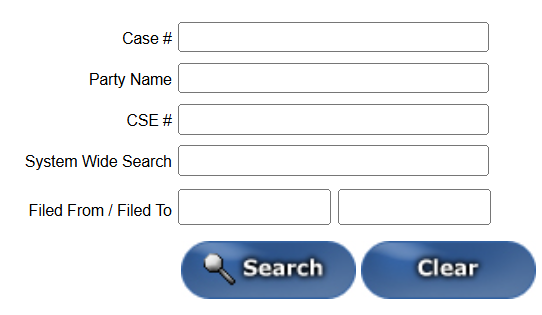
Users can search records by entering:
- Case number
- Party name
- Business name (if applicable)
Correct spelling and accurate details help the judicial case finder tool return better results.
Apply filters if available
Some search pages allow users to narrow results using:
- Hearing date
- Judge name
- Courtroom number
- Filing date
These filters make court hearing lookup results easier to manage.
View case results and hearing schedule
After searching, the online court database displays:
- Case status Cherokee County records
- Hearing date and time
- Assigned courtroom
- Judge information
- Filing history and docket entries
Users can review scheduled hearings and follow case progression directly from the results page.
What Is Cherokee County Court Docket?
Cherokee County court docket refers to an organized listing of court cases scheduled for hearings within the county judicial system. It shows case activity in a structured court docket system Cherokee County uses to arrange hearings, filings, and courtroom events. This system works as a case listing database that records ongoing matters across civil, criminal, and magistrate courts. It supports judicial record tracking by presenting scheduled proceedings in a clear format used by court staff, attorneys, and involved parties. It also helps reduce confusion in daily courtroom scheduling. Users often rely on it for quick reference to upcoming hearings and case movement updates.
Information included in a court docket
A typical docket entry contains key case details used for court hearing registry updates and legal case documentation system records. This structured format helps organize court proceeding records and keeps all scheduled hearings grouped under one system. It also supports consistent tracking of filings and courtroom assignments across different case types within Cherokee County courts. It may also reflect updates such as continuances or rescheduled hearings. This makes it easier for users to follow case progress without confusion.
Each listing may include:
- Case number for identification
- Judge assigned to the case
- Courtroom location
- Hearing date and time
- Current case status
Court docket vs court calendar vs case status system
Court docket, court calendar, and case status system serve different roles within Cherokee County judicial records. A court docket lists individual scheduled hearings and case entries. A court calendar shows broader date-based scheduling across multiple cases and courtrooms. A case status system focuses on progress updates such as filed, pending, or closed. Each system works together within the court docket system Cherokee County uses for structured case listing and judicial record tracking across daily operations. Each tool serves a different layer of case management. Together they improve clarity in court scheduling and record organization.
Role of docket in court proceedings
The docket supports organization of hearings and courtroom scheduling across all case types. It connects judges, courtrooms, and case timelines through a single case listing database. Court staff rely on it for arranging hearings and maintaining order in scheduling. Attorneys and involved parties use docket listings to follow case movement and courtroom assignments. This structure keeps court hearing registry data consistent and helps maintain accurate court proceeding records within the county judicial framework. It also supports better coordination between court divisions. Regular updates help maintain reliability in public case tracking systems.
Case Status & Progression Tracking
Case status in Cherokee County shows the current stage of a legal matter within the court system. The case status Cherokee County clerk of court records indicate how far a case has moved through hearings, filings, and judicial review. This status works as part of a judicial progress system that reflects real-time updates in court filing status. It helps identify whether a case is active, delayed, or completed within the legal process. It also supports case lifecycle tracking by linking procedural steps with court records. Users often check status updates for legal case updates and scheduling clarity. It reduces uncertainty for parties involved in ongoing matters.
How status changes over time
Case status in Cherokee County changes as hearings occur and new filings are added to the record. A case may move from pending to scheduled once a hearing is assigned. After court appearances, it may shift to continued if delayed or closed after final judgment. These changes reflect ongoing court filing status updates within the judicial progress system. Each update is recorded in the docket, creating a clear timeline of case activity. This helps maintain accurate case lifecycle tracking and supports reliable recordkeeping across court divisions. It also allows users to see how cases progress step by step over time.
How Court Case Statuses Work in Cherokee County
Court cases in Cherokee County typically move through several standard statuses during the judicial process. Each status reflects a different stage in court proceeding records and docket updates. These labels help organize docket status search results across the system. They also support consistent legal case updates for attorneys and involved parties. Each status helps show progress within the judicial workflow. They also assist clerks in maintaining structured court filing status records.
- Pending: Case filed but not yet scheduled
- Scheduled: Hearing date assigned
- Continued: Hearing postponed to a new date
- Closed: Case fully resolved by court
- Dismissed: Case removed without final judgment
Relationship between status and hearing dates
Case status and hearing dates are directly connected within the court docket system. A scheduled status usually includes a fixed hearing date and courtroom assignment. If a hearing is postponed, the status may change to continued and a new date appears. This relationship helps maintain order in court proceeding records and improves docket status search accuracy. Hearing dates act as reference points for tracking legal case updates. They also help attorneys and parties stay aligned with court timelines and upcoming judicial events. This connection supports predictable scheduling within the judicial framework.
How users track case movement using docket
Users track case movement by reviewing docket entries that show updated case status and hearing information. The docket system provides structured case lifecycle tracking through daily updates and judicial progress system records. It allows users to follow filings, hearing changes, and final outcomes in one place. Court filing status updates appear alongside scheduled events for easy reference. This helps attorneys, litigants, and researchers monitor legal case updates without missing changes in court schedules or case progression. It also improves transparency in public case tracking systems across Cherokee County courts.
Trial Date& Hearing Date Tracking
Trial date and hearing date tracking in Cherokee County helps users follow scheduled court events and case progress in an organized way. Hearing dates cover motions, status checks, and early proceedings, while trial dates represent the final stage where cases are fully presented before a judge. Both appear in the court docket system Cherokee County uses for case scheduling updates. Users rely on hearing dates lookup to stay informed about changes, delays, and confirmations within the legal hearing timeline across civil and criminal matters.
Trial date vs hearing date and how courts set schedules
Trial dates in Cherokee County are assigned after the court reviews case readiness, filings, and judge availability. The trial scheduling system places these dates into the official docket as part of structured case scheduling updates. Trial dates Cherokee County court entries usually mark the final stage of a case, where full arguments and evidence are presented. Hearing dates are different because they cover earlier court appearances such as motions, status checks, or procedural reviews. A case may have several hearings before a trial date is confirmed. Hearing dates lookup helps users follow each step in the legal hearing timeline, while trial dates represent the final courtroom stage. Both work together within court date management and support clear case scheduling updates across the system.
Why dates change, how users track updates, and sample hearing table
Trial and hearing dates may change due to judge availability, attorney requests, case backlog, or new filings. When updates happen, the docket reflects revised case scheduling updates quickly. This keeps the legal hearing timeline accurate and aligned with current court conditions. Users confirm changes through docket status search tools and updated court listings that show the latest hearing dates lookup results. This type of court hearing timetable helps users follow case movement in a structured way. Attorneys, litigants, and researchers rely on docket records for court date management and consistent tracking of updates across Cherokee County court proceedings.
| Case Number | Case Type | Hearing Date | Courtroom | Status |
|---|---|---|---|---|
| CC-2026-101 | Civil | 2026-06-10 | Room 2A | Scheduled |
| CC-2026-115 | Criminal | 2026-06-12 | Room 3B | Continued |
| CC-2026-132 | Family | 2026-06-15 | Room 1C | Pending |
| CC-2026-140 | Traffic | 2026-06-18 | Room 4A | Scheduled |
Hearing Types & Courtroom Assignments
Hearing types and courtroom assignments in Cherokee County court docket cases organize how different legal matters are scheduled and processed. Civil, criminal, probate, and pre-trial hearings are listed separately based on case requirements and judicial hearing types. Each matter is placed into a courtroom schedule Cherokee County courts manage daily for smooth proceedings. Judges are assigned based on availability and case complexity, which supports the trial scheduling framework. This courtroom allocation system helps maintain balanced workloads, accurate court assignment listing, and timely case progression across the judicial system.
Breakdown of hearing types in Cherokee County court docket cases
Cherokee County court docket cases include several judicial hearing types that reflect different stages of legal proceedings. Civil hearings address disputes between individuals or organizations, while criminal hearings focus on charges, arraignments, and bond matters. Probate hearings handle wills, estates, and guardianship issues. Pre-trial hearings review motions, evidence, and readiness before trial scheduling begins. These judicial hearing types are organized under a trial scheduling framework that keeps courtroom activities structured. Each entry supports consistent court assignment listing within the county docket system.
Courtroom assignments and judge-based scheduling structure
Courtroom assignments in Cherokee County are arranged through a structured courtroom allocation system that connects judges, case types, and available courtrooms. Each case is placed into a courtroom schedule Cherokee County maintains for daily proceedings and case flow management. Judges are assigned early to reduce delays and balance workloads across divisions. Different case types also affect docket timing based on urgency and complexity. Key assignment factors include:
- Case category (civil, criminal, probate)
- Judge availability and specialization
- Courtroom capacity and scheduling load
- Priority or time-sensitive hearings
Court Calendar Structure
Court calendar in Cherokee County court system is an organized scheduling tool used to arrange hearings, trials, and daily court sessions. It displays the hearing schedule Cherokee County follows on a daily, weekly, and monthly basis. Each case is placed based on judge availability, courtroom assignment, and case type. The main purpose of this system is to keep the legal proceeding calendar updated and easy to follow. It helps users understand upcoming court session schedules with clarity. The system also reduces scheduling conflicts and reflects real-time docket updates for accuracy.
What the court calendar represents
The court calendar represents a judicial timetable system that lists all upcoming hearings and trial events in an organized format. It combines case updates and courtroom planning into a single structured view. In Cherokee County, each case is assigned a specific time slot to maintain order in proceedings. This helps attorneys, parties, and court staff track case timing without confusion. The court session schedule becomes easier to follow through this system. It also improves coordination between court divisions and ensures better management of legal activities.
Types of court calendars (daily, weekly, monthly)
Court calendars are divided into different formats to manage scheduling efficiently and support the hearing allocation structure. These formats help balance workload and maintain a smooth judicial timetable system. Courtroom assignments and case timing are adjusted at each level. This structure reduces delays and improves case organization. It also helps users plan their court appearances more effectively.
- Daily calendar: Shows same-day hearings and urgent court matters
- Weekly calendar: Groups short-term hearings and case planning activities
- Monthly calendar: Displays long-term trial schedules and judge planning
Role of judges and why calendars change frequently
Judges play a key role in organizing the court calendar by assigning cases based on availability, workload, and case complexity. Each judge manages a set of hearings within their courtroom schedule. When new filings, delays, or rescheduling requests occur, the court calendar is updated immediately. These updates keep the hearing schedule Cherokee County accurate and reliable. The legal proceeding calendar remains current to avoid confusion in court session schedules. Emergency hearings and administrative changes can also cause frequent adjustments in the system.
Location & Contact Information
Cherokee County court contact details provide essential access to courthouse services, including records, filings, and docket-related support. The courthouse information Cherokee County system connects users with different departments responsible for case management and public records. These services help with hearing schedules, case status updates, and document requests. The judicial office contact system ensures inquiries are directed to the correct department for faster response. It also supports smooth communication between the public and court administration services.
Courthouse Details and Contact Information
Cherokee County courthouse provides centralized services for civil, criminal, and records-related matters. The clerk’s office and records division handle filings, case documents, and docket information requests. Public assistance is available during working hours for scheduling and general case inquiries. Users can contact the court administration for updates related to hearings, filings, or courtroom assignments. The system is designed to support accurate and timely access to court information.
- Address: Cherokee County Courthouse, 90 North Street, Canton, GA 30114, USA
- Contact Number: (678) 493-6511
- Website: https://www.cherokeega.com
- Office Hours: Monday to Friday, 8:00 AM – 5:00 PM (Closed on weekends and public holidays)
Frequently Asked Questions
Cherokee County court docket FAQ section helps users find quick answers about case records, hearing schedules, and court calendar questions. Many people use the judicial information system to check hearings, case status, and docket listings. The system supports court record accessibility for public users while keeping sensitive data restricted where required. These FAQs explain basic case search guidance and hearing lookup support in simple terms. It also helps users understand how court updates are displayed in official records. Most information is updated based on real-time court activity. This makes it easier to track ongoing legal matters
How often is the court docket updated?
The court docket is updated regularly throughout the day as new hearings, filings, and case changes are recorded. Updates may happen multiple times depending on court activity. This keeps the judicial information system current for users checking case progress. Users may notice changes immediately after court actions are entered. Some updates may also reflect delays or rescheduled hearings. The system is designed to keep records as accurate as possible. However, minor delays in posting can sometimes occur due to processing time.
Can I search Cherokee County court cases by name?
Yes, many court record systems allow name-based searches depending on public access rules. Users can use case search guidance tools to locate civil or criminal cases. Some records may be limited if they are sealed or restricted by law. Name searches usually require correct spelling for accurate results. In some systems, partial name searches may also be supported. Availability can vary based on case type and jurisdiction rules. Certain sensitive cases may not appear in public search results.
How do I find my hearing date online?
Hearing dates can be found through official court calendar listings or docket search tools. Users can enter a case number or name to view scheduled hearings. This hearing lookup support helps track upcoming court appearances easily. The system may show multiple hearings depending on case history. Updates reflect changes such as continuances or new scheduling. Users should verify details close to the hearing date for accuracy. Court websites usually provide the most recent scheduling information available.
What does it mean if my case is not listed?
If a case is not listed, it may not be scheduled yet, still processing, or restricted from public view. In some situations, updates may take time to appear in the system. Users should check again later for updated docket entries. Some cases may also be waiting for initial filing approval. Others may be handled under confidential court rules. Technical delays can also affect visibility in search results. It is common for newly filed cases to appear after short processing periods.
Is court docket information public access?
Most court docket information is public access under court record accessibility rules. However, some cases such as juvenile or sealed matters are not shown. The system follows legal guidelines to balance transparency and privacy. Users can view basic case details like hearing dates and status. Full documents may require formal requests through the clerk’s office. Certain sensitive records remain protected by law. This ensures both public information access and legal confidentiality standards are maintained.