Cherokee County Clerk of Court services support the county judicial system by maintaining official court records and managing legal documentation. This office functions as the official recordkeeping authority for court filings, case files, and related legal paperwork. It plays a central role in keeping the county’s judicial records organized and reliable for public use. The Cherokee County Clerk of Court office operates as a public court office that records filings from civil, criminal, and family matters. It supports judges, attorneys, and residents by maintaining structured documentation across different case types. The clerk of court services Cherokee County system also promotes transparency by preserving accurate court history for review when required.
This office exists to maintain order within the county judicial system. It records case activity, preserves official filings, and supports procedural requirements for courts. By keeping consistent documentation, the office helps maintain fairness and accountability in court operations. Many groups rely on this office daily. These include residents, legal professionals, government agencies, and local businesses. Each group depends on legal document organization, certified filings, and verified court records for different purposes. The clerk’s work strengthens trust in the judicial process by keeping records consistent, structured, and available for review when required.
How to Search Cherokee County Court Records Online
Cherokee County court records search starts on the official Clerk of Courts website, where the public can search court dockets by name or case number. The clerk records lookup system lets users review civil, criminal, and magistrate cases, along with filing dates, hearing schedules, and other court information and cherokee county court records search is available through the official online case search portal maintained by Cherokee County Clerk of Courts. This public access system allows users to search judicial records from Superior Court, State Court, and Magistrate Court. Search results often include party names, docket entries, court dates, and document details.
Official site: https://www.cherokeecourtclerk.com
Open the Official Website
- Go to Official site: https://www.cherokeecourtclerk.com
- On the homepage, click Case Search.
Click the Case Search Image
- The Case Search page contains a large image or button that opens the online docket system.
- Click the image to launch the Cherokee County public records search portal.
Select the Case Type
The next page displays three search options.
- Civil Search: Divorce, contract disputes, lawsuits, property disputes, debt claims
- Criminal Search: Felony charges, misdemeanor charges, arrests, sentencing records
- Magistrate Search: Small claims, landlord-tenant cases, dispossessory actions, warrant applications
Enter Search Information
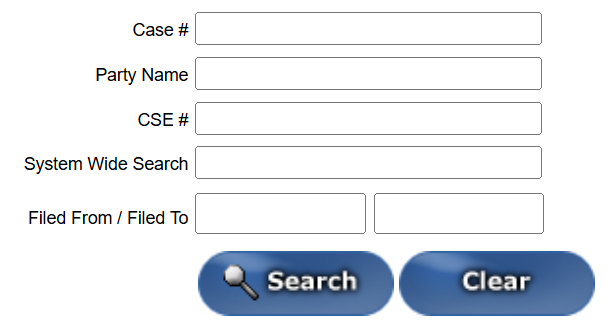
The clerk records lookup page usually allows several search methods:
- Case Number the most accurate search option
- Party Name enter Last Name, First Name
- CSE Number child support enforcement cases
- Date Range narrows results to a specific period
Click Search
- After entering the information, click Search.
- If the system returns no results, use the Clear button and try a different spelling or a broader date range.
Review the Search Results
The results page displays:
- Case number
- Case title
- Filing date
- Party names
- Judge assignment
- Court dates
- Case status
Open the Court Docket
- Click the + (plus) icon next to the case number to expand and view docket information.
- This section shows motions, orders, hearings, and other court events.
View or Order Documents
- Some documents can be viewed online, while others require a copy request from the Clerk of Court.
- Certain confidential filings are hidden from public view.
Current Cherokee County Clerk of Court and Core Responsibilities
Cherokee County Clerk of Court, Patty Baker, serves as the main administrative authority for court records, filings, and official documentation within the county judicial system. The office supports daily court operations by managing structured legal paperwork tied to civil and criminal matters. Court clerk responsibilities cover recordkeeping, document processing, and oversight of official filings across multiple court divisions. This position works as a central point for legal record maintenance and coordination of court documentation. It connects judicial activity with organized record systems that support case tracking, hearing preparation, and post-judgment documentation. The office also manages communication between court departments, attorneys, and public agencies. Through consistent administrative control, the clerk’s office helps maintain order in case records and supports transparency in court operations.
Core Responsibilities
The Cherokee County Clerk of Court carries a wide range of judicial administration duties that support both court operations and public record systems. Patty Baker oversees structured workflows that manage case files, official paperwork, and court-issued documentation. The office handles court document processing, which includes reviewing incoming filings, recording case details, and organizing documents into the official court system. Each record follows a structured path to maintain accuracy and consistency across civil and criminal cases.
Responsibilities include:
- Managing civil and criminal case records within the court system
- Processing motions, petitions, and court submissions
- Overseeing official filings and documentation entry
- Maintaining structured docket records for hearings and rulings
- Handling deeds, liens, and property-related legal records
- Certifying legal documents for official and legal use
- Supporting validation of court records for authenticity
Coordination with court system and public agencies
The clerk’s office also plays a coordination role across the court system. Patty Baker works with judges, attorneys, and public agencies to maintain consistent record handling. This cooperation supports accurate case updates and timely document flow between departments. Court staff communicate regularly with legal professionals to confirm filing status and case progress. Judges rely on organized records during hearings, while attorneys depend on updated filings for case preparation. Public agencies also reference court records for verification and compliance needs. This coordinated structure supports stability in court operations. It also keeps documentation aligned across civil, criminal, and property-related matters within the county judicial system.
Cherokee County Court Records and Case Information Availability
Cherokee County court records form a structured collection of legal documentation maintained by the county judicial system. Cherokee County court records include case details, filings, judgments, and court docket entries managed through the clerk’s office. These records support legal verification, case tracking, and historical review of court activity. The cherokee county clerk of court records system organizes information from civil, criminal, and probate matters. Each record follows a standardized format that supports consistency across case types. The system also supports case lookup system functions through indexed case numbers and party details.
Types of court records in the county system
The court system maintains multiple categories of records based on case type and legal category. Each category reflects different judicial processes and documentation requirements. Each category contains structured filings such as motions, orders, and final judgments. Court clerks organize these documents into the official recordkeeping system used by judges, attorneys, and public agencies. These structured categories help maintain clarity within the county judicial system.
Record types include:
- Civil records – disputes involving contracts, property claims, and financial matters
- Criminal records – filings related to misdemeanor and felony charges
- Probate records – estate administration, wills, and guardianship matters
| Record Type | Content Type | Common Use |
|---|---|---|
| Civil | Lawsuits, claims, rulings | Dispute resolution |
| Criminal | Charges, hearings, verdicts | Law enforcement review |
| Probate | Wills, estate filings | Estate and inheritance matters |
Case organization and docket tracking system
Court cases in Cherokee County follow a structured organization method based on case numbers and party names. Each case receives a unique identifier that remains active throughout the legal process. This identifier helps track filings, hearings, and rulings in a consistent order. The docket system records every major event linked to a case. Entries include filing dates, motion submissions, court hearings, and final decisions. This structured timeline helps legal professionals and agencies follow case progress clearly.
Components of case organization include:
- Case number assignment for tracking
- Party name indexing for search reference
- Chronological docket entries for each proceeding
- Document linking for motions and rulings
Public records and restricted legal documentation
Cherokee County court records include both public and restricted categories. Public records contain general case details that may be reviewed for legal and informational purposes. Restricted records remain limited due to privacy laws, sealed orders, or sensitive case material. The separation supports privacy while maintaining transparency in judicial operations. Public-facing records help support legal accountability within the county judicial system. Court records also play a key role in legal case search processes. Attorneys, agencies, and citizens use case numbers and party names to locate relevant filings. This structured system supports consistency across record tracking and legal verification tasks.
- Public records – civil filings, basic criminal case data, final judgments
- Restricted records – sealed cases, juvenile matters, confidential filings
Deed Records and Property Documentation Services
Cherokee County deed records represent the official legal record of land ownership and property transactions maintained through the county system. These records are handled by the property records clerk office, which manages filing, storage, and certification of documents linked to real estate and land transfers. The system supports verified land ownership records that confirm who legally owns property within the county. The same office also manages real estate documentation and property transfer records that reflect sales, inheritance changes, mortgages, and lien filings. Together, these records form part of the county land registry that supports legal accuracy in ownership history and property rights.
Property deed recording process and official filing system
The deed recording process in Cherokee County follows a structured method that begins when a property document is submitted to the clerk’s office. Each deed is reviewed for required legal details such as property description, signatures, and compliance with recording standards. Once verified, the document becomes part of the official record system. After acceptance, the deed is entered into the county land registry, where it is indexed by parcel number, owner name, and transaction details. This system creates a clear chain of ownership that helps track how property has changed hands over time. Every recorded document receives a reference entry that links it to the broader property history for future verification.
How to access historical property ownership records
Historical property ownership records provide a complete timeline of how land has transferred between owners over the years. These archived documents include older deeds, transfer filings, and recorded liens that show the progression of ownership for a specific property. The clerk’s office organizes these records so they can be located using property addresses, parcel identifiers, or owner names. Attorneys, title companies, and real estate professionals often rely on this information when reviewing past transactions or confirming ownership chains before completing a sale.
Verification of land and real estate documents
Verification of land records plays an important role in ensuring that all submitted property documents are legally valid. The clerk’s office reviews deeds and related filings to confirm that required information is complete and correctly formatted. This process helps maintain accuracy in the official property record system. Documents are also checked for proper signatures, legal descriptions, and consistency with existing records. Mortgages, liens, and other real estate filings are recorded alongside deeds to create a full and reliable property history. This verification process supports trust in real estate transactions and reduces the risk of ownership disputes.
Importance of deed records in legal ownership and public access
Cherokee County deed records serve as legal proof of property ownership and are widely used in real estate and legal matters. A recorded deed establishes official recognition of ownership under county law and becomes part of the permanent property record. Public access to these records allows citizens, businesses, and legal professionals to review property histories and confirm ownership details. This access supports informed decision-making in real estate transactions and helps reduce uncertainty in land ownership matters. Through consistent recordkeeping, the county system maintains transparency in property documentation and strengthens confidence in legal ownership verification.
E-Filing and Digital Court Submission System
e-filing Cherokee County clerk services support a structured electronic method for submitting court documents without paper-based processing. The digital court filing system allows attorneys, agencies, and approved users to submit legal paperwork through an online legal filing platform that connects directly with the court’s record network. These filings become part of the digital court records system, helping maintain organized and updated case documentation. This system supports a shift toward electronic submission, where documents move through review, approval, and case entry in a faster and more controlled process. It also reduces manual handling of records and supports smoother coordination between court departments, legal professionals, and administrative staff.
Electronic filing system and advantages of paperless submission
The electronic filing system supports multiple case types based on court rules and filing eligibility. Civil matters are the most common, while selected criminal and administrative filings may also be processed through the platform depending on approval requirements. Each submission follows a structured input process where users upload documents, enter case details, and send filings for review. This system reduces delays linked to manual handling and supports more efficient workflow across court departments. It also helps lower the risk of missing or incomplete paperwork by adding built-in verification steps before final submission.
- Faster submission and processing of court documents
- Reduced dependency on physical paperwork and storage
- Improved accuracy through automated validation checks
- Easier retrieval of filings through digital indexing
- Better coordination between attorneys and court staff
System integration and role in court efficiency and access
The digital filing system is directly integrated with court record systems, allowing submitted documents to be automatically linked to the correct case file. Once approved, filings become part of the official court record and can be accessed by authorized court personnel for case review and processing. This integration supports real-time updates in case tracking, helping attorneys, judges, and court staff stay informed about new filings and changes. It also improves coordination between departments by keeping all case-related documents within a centralized system. The system plays a strong role in improving efficiency within court operations. It reduces in-person filing requirements and allows approved users to submit documents remotely. This improves accessibility for legal professionals and agencies while maintaining structured control over official court documentation.
Record Certification and Official Document Copies
record certification Cherokee County clerk services provide official validation of court documents stored within the county’s judicial record system. These services confirm that copies issued by the office match the original filings held in court records. certified court copies serve as legally accepted documents because they carry verification from the clerk’s office, confirming authenticity and accuracy. The certification process supports legal document authentication by ensuring that every issued copy reflects the exact content of the original court file. This system strengthens trust in official records used for legal, administrative, and personal matters across different institutions.
Certified court documents and request process
Certified court documents are official copies of case files, judgments, and court filings that are verified and stamped by the clerk’s office. These documents are commonly required when proof of legal status or case history is needed for formal use. The request process follows a structured path where the requester identifies the required record and submits a formal request to the clerk’s office. The staff then locates the case file, prepares the copy, and applies certification marks that confirm authenticity.
- Identifying the specific case or document needed
- Submitting a request through the clerk’s office system
- Locating the official record in the court database
- Preparing an exact copy of the original document
- Applying certification seal or verification stamp
- Issuing the finalized certified copy to the requester
Authentication role and validation of official records
The clerk’s office plays an important role in official copy verification by confirming that each certified document matches the original court record without changes or errors. This process includes reviewing the file, validating its accuracy, and applying official certification marks such as seals or authorized signatures. Certification is often required in legal and administrative matters because it confirms that a document is genuine and accepted by courts, agencies, and institutions. In property-related cases, certified records help verify ownership and transfer history. In immigration and legal proceedings, they serve as trusted proof of court decisions.
Passport Processing and Public Services at Clerk Office
Cherokee County passport services clerk supports residents by acting as an official acceptance point for U.S. passport applications. The clerk office functions as a public service office where applicants can submit forms, verify identity documents, and complete required steps for government passport processing. This service helps residents complete government passport application requirements without needing to handle complex submission procedures alone. The office also plays a role in identity document processing, where staff review documents such as proof of citizenship and identification before forwarding applications for federal review. This process helps maintain accuracy and reduces errors in submitted applications.
Role of clerk office as passport acceptance facility
The clerk office serves as a designated passport acceptance facility where applications are officially received and checked for accuracy. Staff members do not issue passports directly but assist in preparing applications for federal approval. This role includes reviewing documents, confirming identity details, and ensuring application forms meet required standards. The office also helps applicants avoid delays by checking for missing or incorrect information before submission. By serving as an acceptance facility, the clerk office improves accessibility for residents who need passport services locally. It provides a structured point of contact for application submission, helping streamline the early stages of the passport process while maintaining compliance with federal requirements.
Passport application process and required documents
The passport application process at the clerk office follows a structured workflow that begins with form submission and document verification. Applicants must provide valid identification and supporting records that confirm eligibility for a passport. Common required documents include proof of citizenship, government-issued identification, and recent passport photos that meet federal standards. In some cases, additional documents may be needed depending on application type, such as renewals or name changes.
- Completing the official passport application form
- Providing proof of citizenship and identity documents
- Submitting passport-sized photographs
- Verification of documents by clerk office staff
- Acceptance and forwarding to federal processing agency
Court Location and Contact Details
Cherokee County Clerk of Court contact information is based at the official courthouse in Canton, Georgia. The office serves as the main public service center location for court records, filings, and judicial documentation across Superior, State, and Magistrate Courts. It operates from the county Justice Center and handles records, case inquiries, and official court services.
Contact Details
Cherokee County Clerk of Court offices are located at the main courthouse in Canton, Georgia, serving all civil and criminal court records. You can reach the Clerk of Court by calling the official office phone number listed on the county’s government contact directory. For email support, case search help, and department-specific inquiries, use the official contact form available on the county clerk’s website.
- Cherokee County Justice Center (Clerk of Courts Office): 90 North Street, Suite G-170, Canton, GA 30114, United States
- Phone: 678-493-6511
- Office Hours: Monday to Friday: 8:00 AM – 5:00 PM
Frequently Asked Questions
The Cherokee County Clerk of Court FAQs section addresses common court records questions related to filings, case details, and public document services. These answers help users understand legal record access questions, court filing queries, and public document assistance provided through the clerk office. The goal is to explain how court records are managed, requested, and used within the county judicial system in a clear and practical way.
How can I access Cherokee County Clerk of Court records?
Cherokee County court records are maintained by the clerk office and organized using case numbers, party names, and filing details. Individuals who need records can submit a request at the courthouse by sharing basic information such as the case name or identification number. The staff then searches the internal system and retrieves the available documents. Some records are open for public review, while others remain restricted due to privacy rules or sealed court orders. Publicly available records usually include civil filings, final judgments, and general case information. For in-person assistance, visitors can go to the records division, where staff help locate and explain the documents that can be released under public access rules.
What types of cases are handled by the Clerk of Court?
The Cherokee County Clerk of Court manages records for several major case categories within the judicial system. These include civil, criminal, probate, and property-related matters. Each category contains different types of filings and documentation that are processed and stored through the court record system. Civil cases typically involve disputes such as contracts, property issues, or financial claims. Criminal cases include misdemeanor and felony matters processed through the court system. Probate cases cover wills, estates, and guardianship issues. Property-related filings such as deeds and liens are also maintained as part of official land and ownership records. These combined case types form the core responsibilities of the clerk office and support structured legal documentation across the county.
How do I request certified copies of court documents?
Certified copies are official versions of court documents verified by the clerk office. These documents are required in many situations such as legal proceedings, immigration applications, financial verification, and property transactions because they confirm that the record is authentic and unchanged. To request certified copies, an individual must identify the required document and submit a request to the clerk office. The staff then locates the original record, prepares an exact copy, and applies a certification seal or stamp. This certification confirms that the copy matches the official court record without any modifications. Processing fees may apply depending on document type and page count.
What is the process for filing court documents?
Court document filing in Cherokee County follows a structured process managed by the clerk office. Attorneys and individuals submit documents either in person or through approved electronic filing systems. Each submission must include correct case details, required forms, and supporting documentation. Once submitted, the clerk office reviews the filing for accuracy and completeness. If everything meets requirements, it is entered into the official court record system and linked to the appropriate case file. If errors or missing information are found, the filing may be returned for correction before acceptance. This process helps maintain accurate case tracking across civil, criminal, and probate matters.
Are Cherokee County court records available online?
Many Cherokee County court records can be viewed through online case search tools provided by the clerk office. These systems allow users to check case status, view docket entries, and review available public information using case numbers or party names. This makes it easier to track court activity without visiting the courthouse. However, not all records are available online. Sealed cases, confidential filings, and restricted documents are not shown in public systems due to privacy and legal restrictions. In such cases, users may need to visit the courthouse or submit a formal request for certified copies or detailed record information. Online systems mainly support basic case lookup functions and general public record viewing.